

Solutions
Solutions for ventilation system air valves in the automotive painting industry
Environmental requirements for ventilation systems in the automotive painting industry
With the rapid development of automotive painting technology, the requirements for the quality of car body painting are getting higher and higher. Once the supply air volume, exhaust air volume, and circulating air volume in the paint booth do not reach the normal state, the internal environment will not be able to meet the production conditions. This may cause air turbulence in the paint booth, paint mist permeation, and the inability to form a uniform airflow, resulting in color mixing and sagging during spraying. During production, a large amount of dust, waste gas, and other harmful gases are generated, which can harm human health and cause environmental pollution.
Shanghai Xianlong Company is a service provider of ventilation system solutions for the automotive painting industry. With its honest business philosophy and strong technical strength, and strategic partnerships established with world-class clients such as Dürr Painting Systems Engineering (Shanghai) Co., Ltd., Parker Industrial Equipment (Shanghai) Co., Ltd., and Eisenmann Mechanical Equipment (Shanghai) Co., Ltd., the company has gradually formed its unique core competitiveness. It has accumulated a wealth of valuable experience from various projects and provides products and services in the automotive painting and waste gas environmental protection fields, earning a good reputation in the industry for its service and quality. It has provided long-term services to high-end automotive manufacturers such as BMW, Ford, Volkswagen, Audi, Toyota, Honda, Geely, Tesla, and Evergrande, establishing a good corporate image and becoming the largest ventilation system supplier in China's automotive industry.
Based on years of experience in ventilation system design and research on the working environment of paint booths, including temperature, humidity, leakage rate, pressure, exhaust air volume, VOCs composition and concentration in exhaust gas, composition and concentration of inorganic gases in exhaust gas, and RTO data, we have launched a ventilation system valve solution for the automotive painting industry. By adjusting the airtightness of the valve blade shaft, the solution addresses the adjustment of air pressure and direction in key workshop positions and environments. This solves the air balance in the paint booth and drying oven, maintaining a slightly positive pressure in the entire room. This allows for more effective control of the cleanliness of the car body entering the paint booth and prevents hot air from the drying oven from flowing into the paint booth, thereby improving the painting operation environment.
The entire paint shop is divided by function:
Pre-treatment area, spray booth area, drying oven area, work area, RTO exhaust emission area
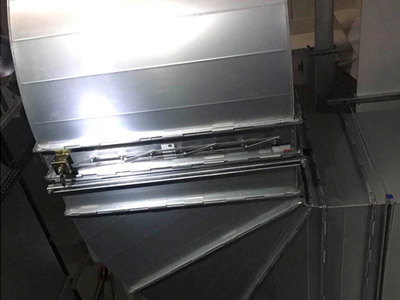
Classification of ventilation series valves according to the automotive painting industry: pre-treatment valves, spray booth valves, drying oven valves, air conditioning valves, process valves, RTO/CTS exhaust valves
Classification by product type:
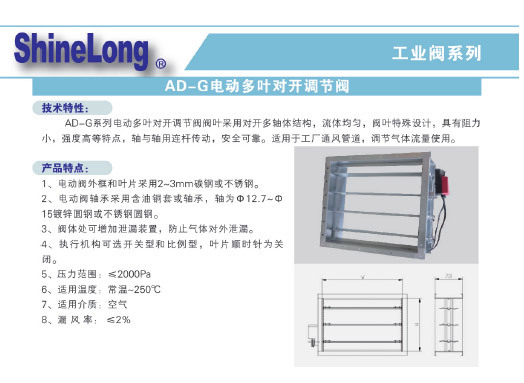
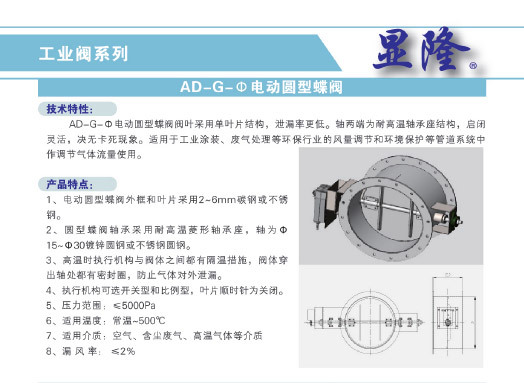
Manual valves, electric valves, pneumatic valves (including round valves)
Applicable locations:
Mainly used in air conditioning ventilation, automotive painting production lines, ventilation systems for corrosive and viscous media, organic waste gas treatment systems, RTO and high-temperature gas systems
Notes on the selection of ventilation series valves for the automotive painting industry:
Understand the basic parameters according to the working conditions:
Working environment temperature, humidity, medium, internal and external leakage rate, air volume, pressure, voltage, electric actuator brand, pneumatic cylinder torque (single-acting, double-acting), solenoid valve, positioner brand, limit switch brand, etc.
Select the valve blade shaft material correctly according to the area and medium requirements:
Galvanized sheet, stainless steel SUS304L, aluminized sheet, cold-rolled sheet, aluminum alloy profile
Select the blade material correctly according to the area and medium requirements:
Ordinary blades, airfoil blades, linear contact blades, aluminum alloy airtight blades, rubber, single blades, etc.
Select the valve structure correctly according to the area requirements:
a. Pre-treatment valve: normal temperature, watertight structure
b. Work area valve: normal temperature, TOX weld-free connection
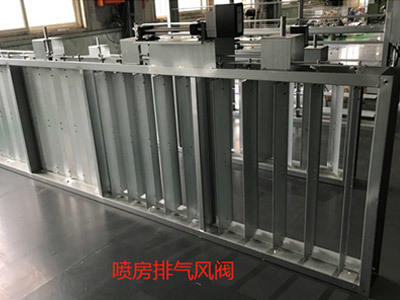
c. Spray booth exhaust valve: normal temperature, non-stick paint blades
d. Drying oven rectangular valve: temperature resistant 30~350℃, blade shaft sealed, no external leakage
e. Drying oven round valve: temperature resistant 30~350℃, blade shaft sealed, no external leakage
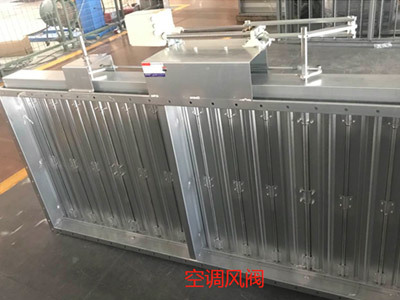
f. Air conditioning electric valve (pneumatic valve): large size, high-strength blade shaft considered, blade shaft sealed, no external leakage, actuator installed on one side (electric or pneumatic actuator)
g. RTO high-temperature round valve: At 600-1100℃, the valve body, blades, and shaft material are SUS310 or cast SUS310, blades reinforced. At 2000pa wind pressure, internal leakage rate ≤2%~1%, no external leakage. Actuator with heat insulation measures.
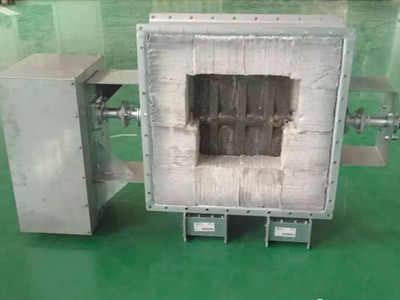
h. Internal insulation high-temperature valve: At 600-1100℃, the valve body, blades, and shaft material are SUS310 or cast SUS310, retaining ring and valve body fully welded, blades reinforced, the shaft extending out of the insulation layer has sealing measures. At 2000pa wind pressure, internal leakage rate ≤2%~1%, no external leakage. Actuator with heat insulation measures.
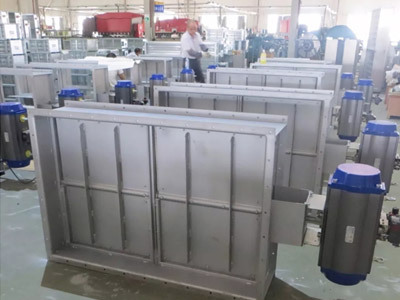
i. Single blade valve: high overall strength, good valve sealing, blade shaft sealed, no external leakage, maximum withstand wind pressure: 1000~5000pa, hard seal internal leakage rate ≤1%, soft seal ≤0.5%
j. Sealed valve: low internal leakage, metal seal or rubber seal, hard seal internal leakage rate ≤1%, soft seal ≤0.5%
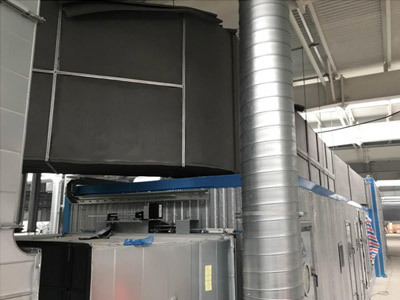
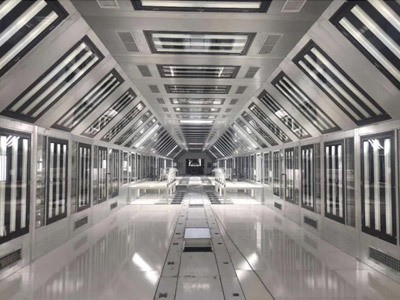
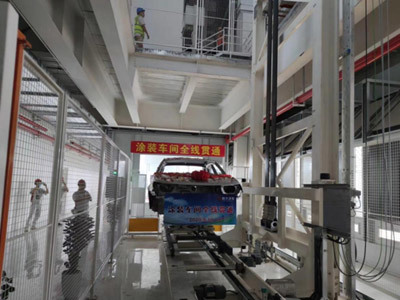
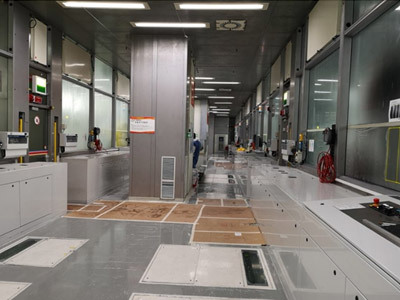
Product Cases
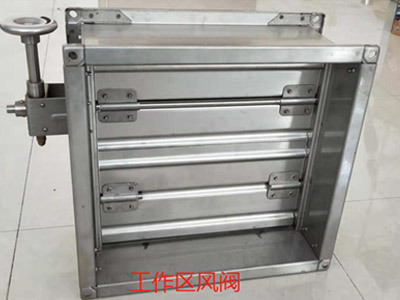 | 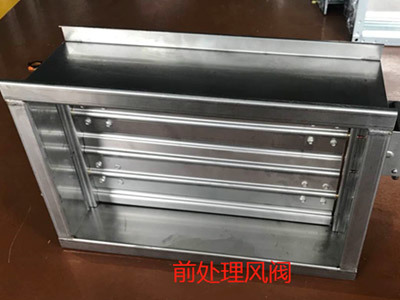 | 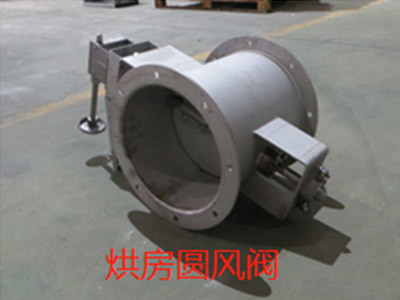 |
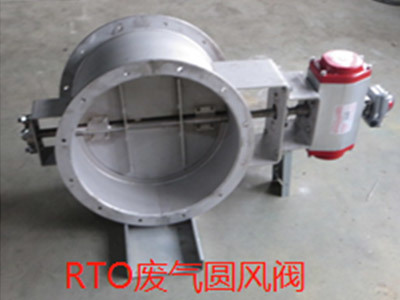 |  |  |
 |  |  |
Product Introduction
Project Case Studies
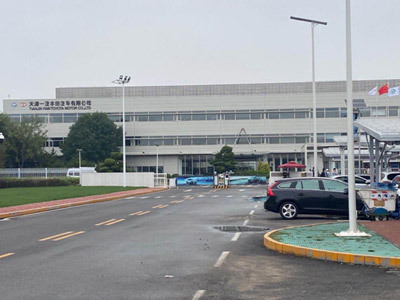
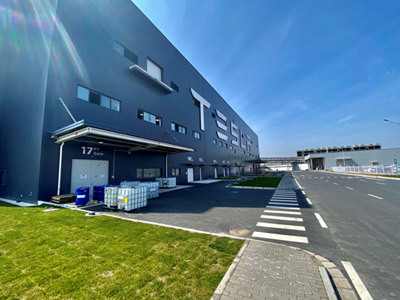
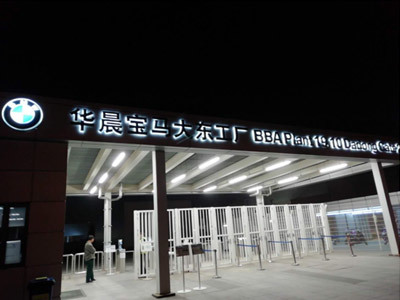
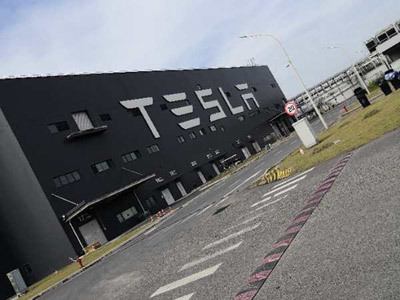
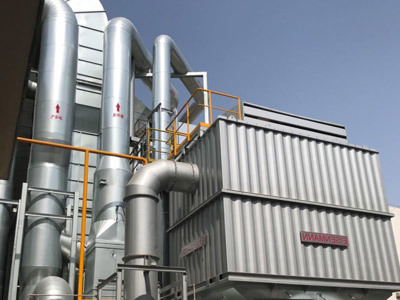
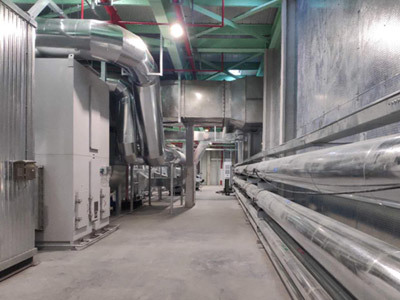
Shanghai Volkswagen, Shenyang Huachen BMW (Tiexi Plant, Dadong Plant), Chongqing Changan Ford, Shanghai General Motors (Shanghai, Wuhan, Shenyang), Beijing Benz Automotive, Beijing Automotive, Geely Automobile (Guiyang, Zhangjiakou, Chengdu, Meishan, Ningbo), Chengdu Volkswagen FAW, Volvo Car (China) Investment Co., Ltd. Taizhou Luqiao, Chongqing Jiangbei Yuzui Changan Automobile, Chongqing JinKang New Energy Automobile, Hefei HaiNa New Energy Automobile, Tianjin FAW Toyota, Nanchang Jiangling Automobile, Kubota Agricultural Machinery (Suzhou), Guangzhou Toyota Automobile, GAC Mitsubishi Motors, Wuhan Dongfeng Honda, Yutong Heavy Industry Automobile, Zhengzhou Nissan Automobile, Wenzhou WM Motor, Changchun FAW Audi, Qingdao FAW-Volkswagen, Anhui Huainan City Fengtai County Huaihu Coal and Electricity Co., Ltd., SEV Motor (Suzhou), Sichuan FAW Toyota Automobile, Changchun Fengyue Automobile, Shanghai Tesla Automobile, Guangzhou Evergrande Automobile, export to the United States, export to Vietnam, export to Taiwan.
 |  |  |
 |  |  |
 |  |  |
 |  |  |

Company Address:
Room 1502, Building 2, No. 39, Shangyi Road, Minhang District, Shanghai


